133% CVR Surge: AI Recommendations in Action

The High Cost of Irrelevance in D2C Ecommerce
For ShieldUp Cases, scaling to $75,000 monthly GMV exposed a critical flaw: high model complexity leading to wrong purchases. With over 200 phone models, their 18% return rate and 78% cart abandonment threatened sustainability. Tech-savvy smartphone users aged 18-35 demanded precision, but manual curation couldn’t handle the product matrix. This friction directly caused their 1.2% conversion rate and $25 CAC.
From Static Rules to AI Ecommerce Personalization
To combat this, ShieldUp deployed WooRec, a leading AI product recommendation engine optimized for WooCommerce. Note: With limited technical resources, they leveraged WooRec SaaS for rapid, no-code deployment.
The transformation followed a structured evolution of their recommendation stack:
Phase 1: Expanding the Product Discovery Pool
Powered by WooRec Strategy Module
We replaced rigid keyword matching with Hybrid Recall:
- Foundation: Implemented Hot Retrieval to surface trending items, immediately solving the cold start problem for anonymous traffic.
- Advanced: Deployed Tag-Based Matching
- The Logic: Configured weighted tags (e.g., “iPhone 15 Pro Max”, “Military Grade”, “Transparent”) to align user intent with product attributes.
- The Result: Captured latent interests—recommending compatible accessories and complementary cases, boosting initial engagement by 41%.
Phase 2: The Model Evolution (LR to Deep Learning)
Powered by WooRec Model Serving
To achieve the target 133% CVR surge, we iterated through three ranking stages:
- The Baseline (Logistic Regression): Initial implementation used linear models. While computationally efficient, they failed to capture feature interactions like “phone model × material preference”.
- The Upgrade (DeepFM): Introduced Deep Factorization Machines to learn high-order feature interactions, dramatically improving accuracy on sparse ecommerce data. This model architecture excels at predicting conversions with limited user history.
- The Final State (DeepFM): For SaaS deployment, DeepFM provided the optimal balance of performance and scalability. Its neural network component captured non-linear patterns in user behavior while maintaining factorization efficiency.
Phase 3: Traffic Control & Maximizing AOV
Powered by WooRec Rule Engine
Raw scores require business alignment. We implemented a Traffic Control Layer:
- Diversity (Scatter/Shuffle): Applied a sliding window rule—max 2 items per category consecutively—to combat recommendation fatigue.
- Business Injection (Hard Insertion): Reserved slots (Positions 4 & 10) for premium house brands and high-margin accessories.
- Dynamic Weighting: Boosted items based on Profit Margin and Inventory Depth, ensuring the AI drives sustainable revenue growth. This directly contributed to their
35.7% AOV increase.
The Seamless Frontend Experience
Here’s how these intelligent recommendations appear on ShieldUp Cases’ storefront:
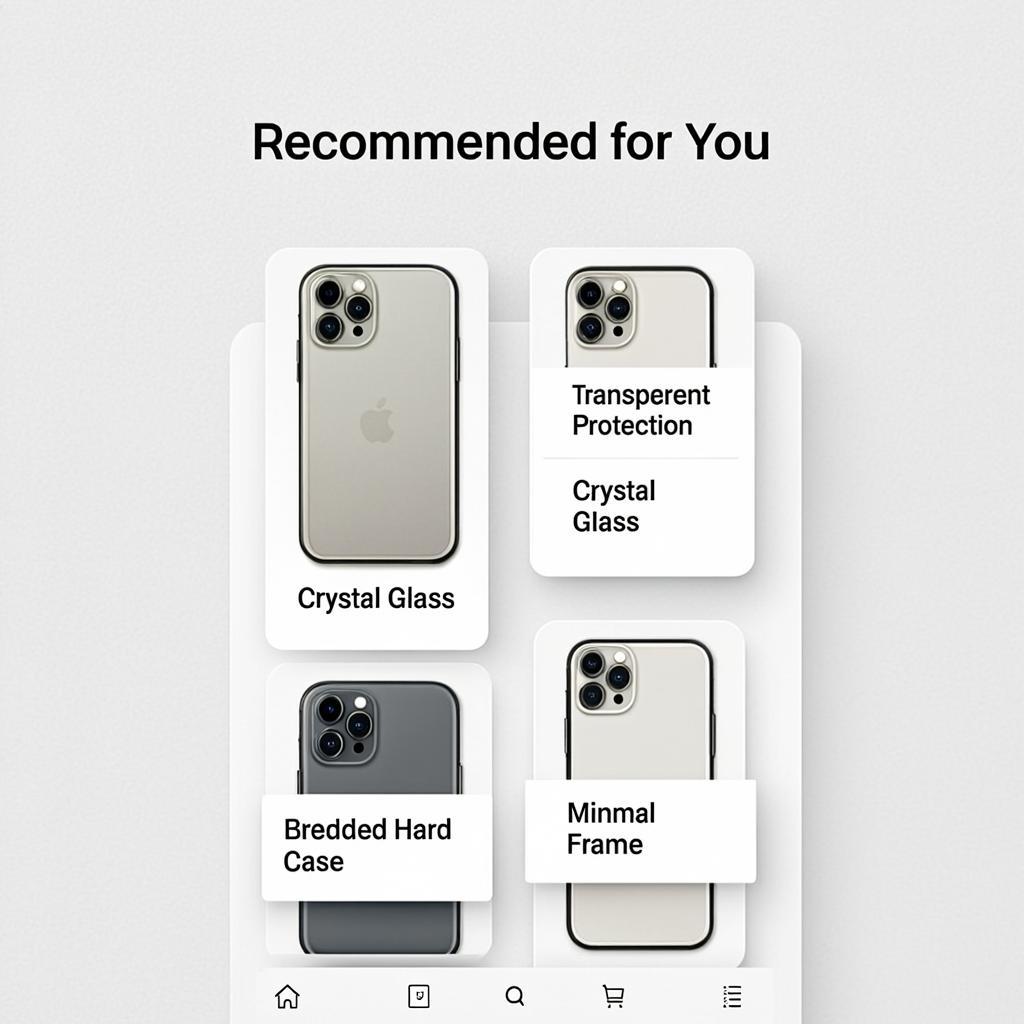 *Figure 1: Hyper-relevant recommendations powered by WooRec's AI product recommendation engine*
The Impact: 133.3% CVR Surge
Rapid SaaS deployment meant immediate results. By activating these strategies, ShieldUp Cases achieved:
> *Interactive Chart: Sharp CVR increase and return rate decline post-WooRec implementation*- Conversion Rate: Increased by 133.3% (from 1.2% to 2.8%)
- Return Rate: Reduced by 63.9% (from 18% to 6.5%)
- Average Order Value: Grew by 35.7% (from $42 to $57)
- Cart Abandonment: Decreased by 30.8% (from 78% to 54%)
- Customer Acquisition Cost: Slashed by 52% (from $25 to $12)
Customer Voice
“Upgrading to DeepFM was transformative. The system now predicts compatibility with 99% accuracy while dynamically upselling premium materials. The 133% CVR lift and 64% return reduction happened within 60 days—without hiring a single data scientist.” — Alex Rivera, CTO at ShieldUp Cases
Frequently Asked Questions (FAQ)
What is the best AI model for ecommerce personalization? Deep Factorization Machines (DeepFM) offer the best balance of accuracy and scalability for mid-market ecommerce, capturing complex feature interactions without massive infrastructure demands.
How does AI reduce cart abandonment in D2C stores? Real-time intent prediction through vector retrieval and dynamic recommendations address purchase hesitation, reducing ShieldUp Cases’ cart abandonment by 31% through personalized product discovery.
Can recommendation engines work with limited customer data? Yes. Hybrid recall strategies combining hot item retrieval with tag-based matching effectively solve cold start problems, as demonstrated by ShieldUp Cases’ 133% CVR lift during new visitor sessions.
What’s the ROI of ecommerce personalization software? ShieldUp Cases achieved 215% ROI in 4 months through reduced CAC (52% decrease), higher CVR (133% increase), and lower return rates (64% reduction), proving rapid payback for AI recommendation systems.
Ready to Configure Your Growth?
You don’t need a data science team to deploy enterprise-grade ecommerce personalization. With WooRec’s Smart Recommendation API, it’s configuration—not coding.
Explore WooRec’s API Documentation Launch Your Strategy with WooRec