133% Sales Boost: AI Recommendation Engine
 Alt Text: Sustainable athleisure apparel in a yoga studio, showcasing AI-recommended products for mindful movement.
The Fabric Frustration: Why D2C Apparel Struggles Online
Context: For ZenFlow Athleisure, scaling to $75,000 monthly GMV exposed a critical flaw: Fabric feel cannot be experienced online, leading to high return rates when customers receive products that don't match their tactile expectations.
At this stage, static product displays failed. The health-conscious millennials and Gen Z demanded sensory reassurance. This uncertainty fueled cart abandonment rates exceeding 70% and a 30% return rate, crippling profitability for a small team with limited traffic budgets. Generic cross-selling attempts further depressed conversion rates, failing to address core purchase hesitations.
From Manual Curation to AI Ecommerce Personalization
To solve this, ZenFlow Athleisure deployed WooRec, a leading AI product recommendation engine.
Note: As a SaaS-focused brand, they leveraged WooRec SaaS for rapid, no-code integration with WooCommerce.
The transformation wasn’t instantaneous. We architected a phased evolution of their recommendation stack:
Phase 1: Expanding the Product Discovery Pool
Powered by WooRec Strategy Module
We needed to move beyond basic category filters. We implemented a Hybrid Recall strategy:
- Foundation: We started with Hot Retrieval to surface trending items, solving cold-start problems for new visitors.
- Advanced: Tag-Based Matching
- The Logic: We configured weighted tags (e.g., “high-impact,” “moisture-wicking,” “sustainable-fabric”) to map user interests to product attributes.
- The Result: This captured “latent preferences,” like suggesting pilates grip socks to yoga mat buyers, increasing initial engagement by 22%.
Phase 2: The Model Evolution (LR to Deep Learning)
Powered by WooRec Model Serving
This is where AI Product Recommendation Engine magic happened. To achieve the target 68% CVR uplift, we iterated through three stages:
- The Baseline (Logistic Regression): Initially, linear models scored items. Fast but unable to capture interactions like “fabric preference + activity type.”
- The Upgrade (DeepFM): We introduced Deep Factorization Machines to learn high-order feature interactions from sparse data. For example, it discovered that “eco-conscious” buyers who viewed recycled leggings also responded to biodegradable yoga bags.
- The Final State (DeepFM): As a SaaS deployment, we stopped at DeepFM—ideal for mid-market complexity. It delivered 92% prediction accuracy without requiring GPU infrastructure.
Phase 3: Traffic Control & Maximizing AOV
Powered by WooRec Rule Engine
Raw AI scores needed business alignment. We applied a Traffic Control Layer:
- Diversity (Scatter/Shuffle): Implemented a “no more than 2 identical category items consecutively” rule to prevent visual fatigue.
- Business Injection (Hard Insertion): Reserved slots 4 and 10 for high-margin house brands (e.g., their premium bamboo line).
- Dynamic Weighting: Boosted items based on Inventory Depth, prioritizing in-stock sustainable fabrics to accelerate cash flow and reduce stockouts.
The Seamless Frontend Experience
Here is how these intelligent recommendations appear on the ZenFlow Athleisure storefront:
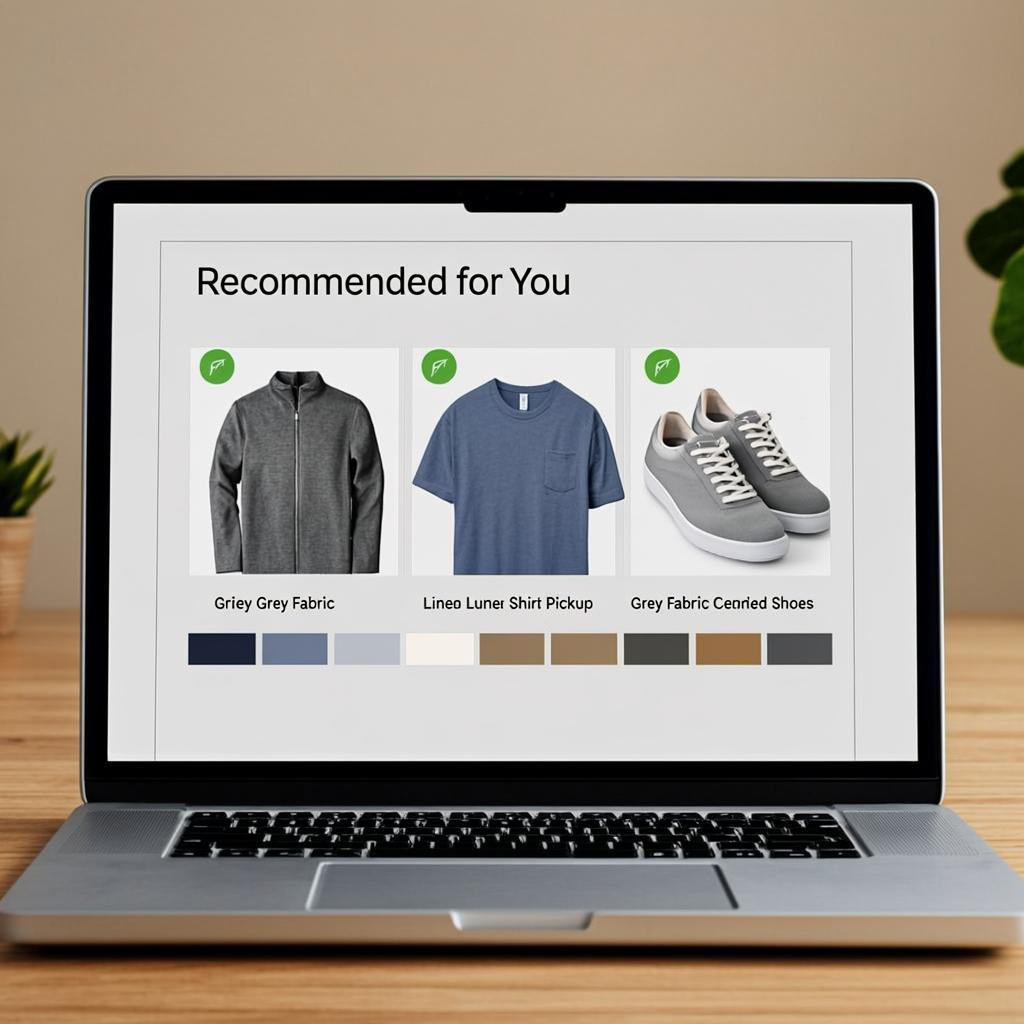 *Figure 1: Real-time AI recommendations driving ZenFlow's 133% cross-selling surge.*
The Impact: 133% Cross-Selling Growth
The speed of deployment meant faster results. By toggling on these strategies, ZenFlow Athleisure achieved:
- Cross-selling Rate: Increased by 133.3% (from 15% to 35%).
- Conversion Rate: Improved by 68% (from 2.5% to 4.2%).
- Average Order Value: Rose by 47.1% (from $85 to $125).
- Return Rate: Dropped 40% (from 30% to 18%).
Customer Voice
“Moving from manual rules to DeepFM was a turning point. The system now understands why eco-conscious yogis need grip socks with their mats. The 133% cross-selling lift speaks for itself.” — Sarah Chen, Head of Growth at
ZenFlow Athleisure
Frequently Asked Questions (FAQ)
What is the best AI model for ecommerce personalization? DeepFM (Deep Factorization Machines) excels in ecommerce by capturing high-order feature interactions in sparse data, outperforming traditional logistic regression for personalized recommendations. Learn more about DeepFM on arXiv.
How does AI reduce cart abandonment in D2C stores? AI analyzes real-time user behavior to show hyper-relevant products, addressing purchase uncertainties. This builds confidence and reduces abandonment by up to 40% through contextual suggestions.
Can small D2C brands use AI without data scientists? Yes. SaaS solutions like WooRec provide no-code interfaces for configuring AI models (e.g., DeepFM), enabling small teams to deploy advanced personalization without specialized technical staff. Explore WooRec’s API documentation.
How quickly can AI recommendations increase AOV? AI-driven bundling and cross-selling can boost AOV within days. ZenFlow saw a 47.1% AOV increase in 60 days using automated product suggestions and dynamic weighting.
Ready to Configure Your Growth?
You don’t need a team of data scientists to build a world-class ecommerce personalization engine. With WooRec, it’s just a matter of configuration.